Before We Built Media Systems for Brands, We Built One Ourselves.
For years, Viewfinders worked closely with founders, entrepreneurs, educators, researchers, and organizations across Nepal. Every project gave us a front-row seat to people building remarkable businesses and quietly shaping industries.
What surprised us wasn't the lack of knowledge. It was how little of it travelled beyond the room where it was shared.
We believed those conversations deserved a larger audience. That belief became The Doers.
We didn't just build a media platform. We developed a way of thinking, and it still shapes every media system we build today.
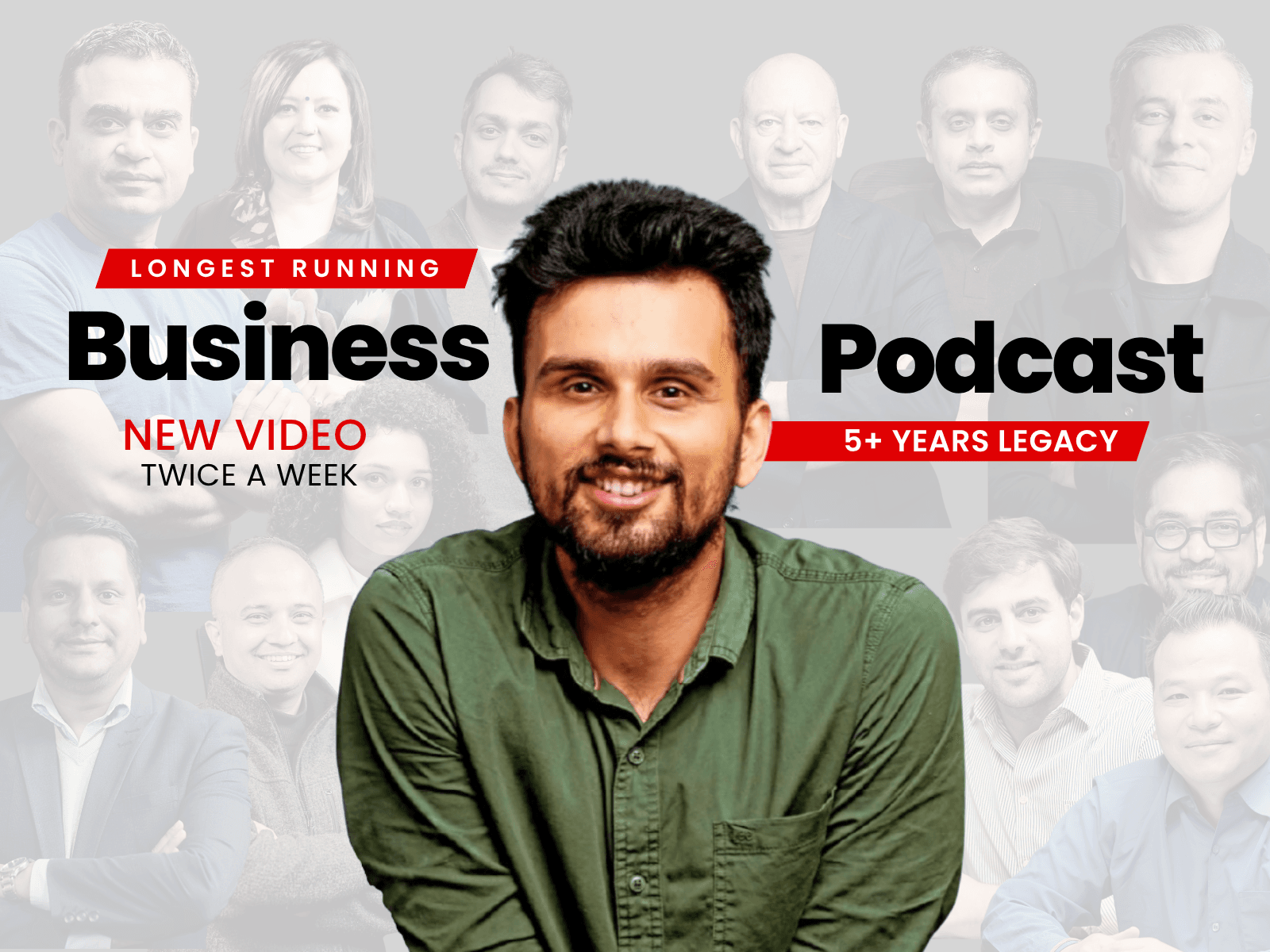
More Than a Podcast
Something unexpected happened as The Doers grew. The conversations started creating value long before any business conversation ever began. People didn't just watch the episodes. They remembered them.
At events, meetings, and conferences, introductions increasingly started with, “I watched your episode with...” The platform had already introduced us before we introduced ourselves. Trust no longer started at zero. It picked up from a conversation that had already happened.
Before The Doers
- Introductions started with explanations
- Every relationship began from zero
- Projects created relationships
After The Doers
- Introductions started with conversations
- Familiarity already existed
- Conversations created relationships
Building Conversations That Last
People often assume great conversations begin when the cameras start rolling. In our experience, it's the opposite. The quality of a conversation is usually decided long before the recording starts. Every episode began with one question: what would genuinely make this worth someone's time?
Research
Before inviting a guest, we'd spend time in their industry: reading up on trends, seeing what people were already asking online, getting a feel for the conversation before it happened. Two questions shaped every episode. What does the audience want today, and what will they need tomorrow? Where those two overlapped became our editorial philosophy.
Guest Selection
We never looked for famous people. We looked for people with something worth saying. Popularity wasn't the filter. Perspective was. The question stayed simple: will someone still learn something from this conversation a year from now?
Conversation Design
The goal was never just to interview guests. It was to pull out ideas worth remembering. So instead of asking people to tell their story, we'd dig into the thinking behind it. Less about documenting achievements, more about documenting how they actually think.
Turning One Conversation Into a Media System
Publishing a conversation was never the end of the process. It was where the next stage of work began. One conversation could create far more value than one piece of content.
Packaging
If nobody clicked, nobody learned. So every title, thumbnail, hook, and description became part of the editorial process too, not to chase clicks, but to close the gap between something valuable and the people who needed it. The idea stayed the same. Only its discoverability improved.
Distribution
Every conversation was designed as a small ecosystem, not a single upload. Long-form for depth, short-form for discovery, LinkedIn for professionals, Instagram and Facebook for reach, Spotify and Apple Podcasts for learning on the move. We weren't really creating more content. We were helping one idea travel further.
Experimentation
Seven years gave us room to test formats, publishing rhythms, and hooks. Some ideas worked immediately. Others quietly taught us what to improve. The goal was never perfection. It was getting a little better each time.
Audience
The goal was never to reach everyone. It was to stay consistently valuable to a specific group of people: founders, operators, professionals, educators, researchers, and the Nepali diaspora. Niche audiences engage more deeply, share more intentionally, and build stronger communities.
“Turns out the biggest audience isn't always the most useful one. We'd rather have a smaller group that actually comes back.”
Editorial Rhythm
After seven years, publishing no longer felt like producing episodes. It became a repeatable rhythm.
“We didn't build this one episode at a time. We built it one system at a time.”
The Platform Changed Us Too
When we started The Doers, we thought we were building a media platform. Looking back, we were building a way of thinking. Instead of asking “what content should we create,” we started asking “what knowledge already exists inside this business that deserves to be discovered.” That shift changed everything that followed.
From Production to Editorial Thinking
We stopped thinking in terms of individual pieces of content and started thinking in terms of communication systems: research, editorial thinking, packaging, distribution, audience understanding, consistency. Together, they're what decide whether an idea disappears the day it's published or keeps creating value for years.
Building Distribution Before Building It for Others
For seven years, we learned how audiences discover ideas, how different platforms serve different purposes, and how consistency compounds. Before helping businesses build their own communication systems, we first built one ourselves.
An Audience Became a Community
Founders discovered other founders. Professionals connected through shared ideas. The Nepali diaspora stayed connected with innovation happening back home. Organizations noticed too. Some partnered through sponsorships. Others wanted to build platforms of their own, not because they wanted a podcast, but because they wanted what the platform had actually built over the years: trust, consistency, and a real relationship with an audience that kept showing up.
A Better Way to Start Business Conversations
As The Doers grew, we noticed another unexpected outcome. It changed how new business conversations began. Many founders, marketing leaders, and decision-makers had already watched us work, seen how we researched ideas, asked questions, and packaged stories, long before we ever spoke. The first meeting became less about explaining who we were and more about understanding their business.
The platform had already done the introduction. For prospective clients, it was a chance to experience how we think before working with us. For our own team, it became a living demonstration of our editorial thinking and production quality, something years of presentations never quite managed to do.
“The strongest sales conversations don't start with a pitch. They start with credibility that already exists.”
From One Platform to Many
The Doers started as our own platform. Over time, something unexpected happened. Businesses didn't just watch the conversations. They started asking a different question: “Can we build something like this for our organization?”
What began as one media platform gradually evolved into many. The same editorial thinking behind The Doers was adapted to different businesses, different industries, and different communication goals.
| Client | Platform We Built |
|---|---|
| Industry Integrated Degree (IID) | Building conversations around industry-integrated education |
| Good Construction Practices | A knowledge platform for Nepal's construction industry |
| Global IME Bank | Executive conversations and thought leadership |
| AppMonk | Founder-led communication and technology storytelling |
Each platform looked different because each business was different. The audience, the industry, and the communication objective all shifted from client to client. What stayed consistent was the approach: understand the business, identify the knowledge worth sharing, then build a platform around it.
Businesses don't need another podcast. They need a communication platform designed around their own expertise and audience.
“The Doers wasn't a template to copy. It was proof that a well-built media platform could be adapted to very different business communication challenges.”
The Evidence
Seven years of publishing gave us something more valuable than a collection of episodes. It showed us what actually works. That meaningful conversations build an audience. That niche communities compound over time. That good media keeps creating opportunities long after it's published. The numbers below don't tell the whole story. They simply back it up.
| Organic Views | 50M+ |
| Conversations | 320+ |
| Years Publishing | 7+ |
| Subscribers | 50.8K |
| Avg. Watch Duration | 10m 31s |
| Platform | Purpose |
|---|---|
| YouTube | Long-form conversations and searchable knowledge |
| Discovery through short-form content | |
| Community and continued reach | |
| Professional visibility and industry conversations | |
| Spotify & Apple Podcasts | Learning on the move |
More Than Metrics
Some outcomes don't appear on an analytics dashboard.
- —Partnerships that started with a conversation
- —Sponsors who wanted to become part of the community
- —Businesses that wanted to build media platforms of their own
- —A communication philosophy that now shapes every project at Viewfinders